Payment Options and Their Influence on Game Access Within Integrated Mobile Betting Platforms
Frankie Jenkins · Oct 21, 2026
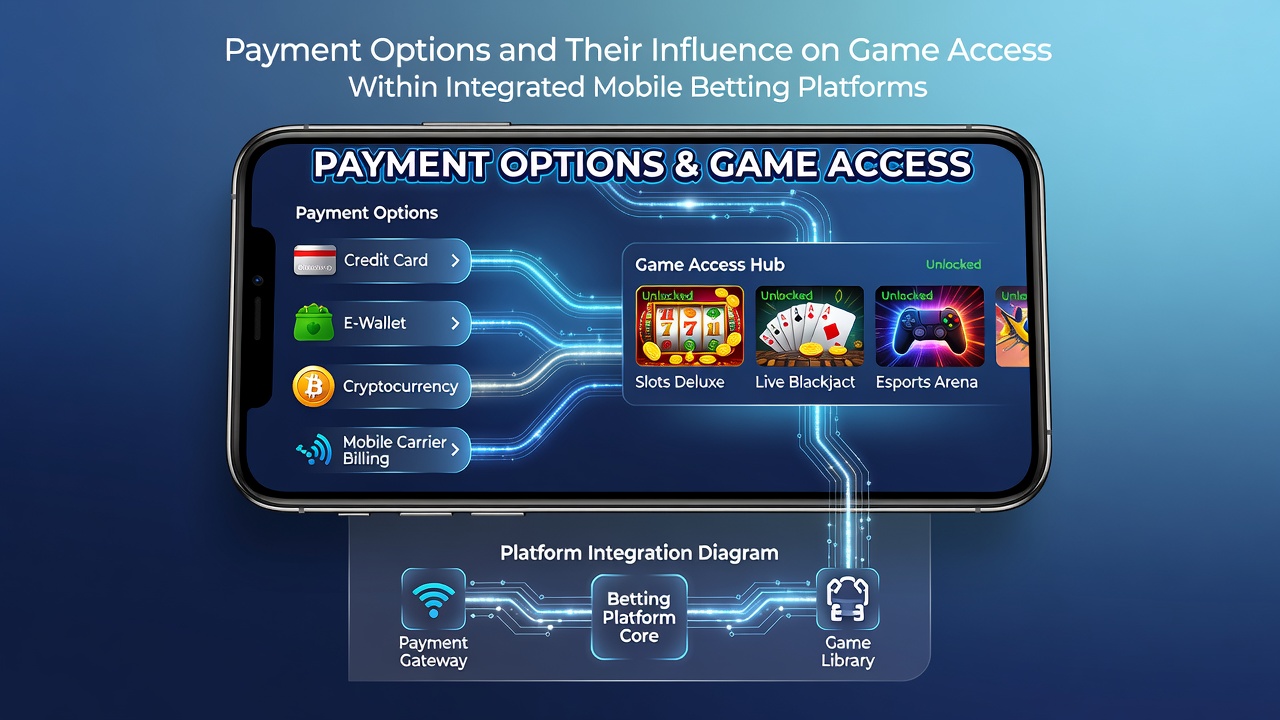
Payment Options and Their Influence on Game Access Within Integrated Mobile Betting Platforms
Payment methods shape how users reach games inside integrated mobile betting platforms because deposit speed, transaction fees and regional availability directly control entry points to reels, tables and live dealer streams. Observers note that platforms integrate multiple options to match player locations, yet some methods create bottlenecks while others open immediate pathways, and this dynamic has grown more pronounced through October 2026 as operators expand cross-border features.
Core Payment Categories and Their Technical Reach
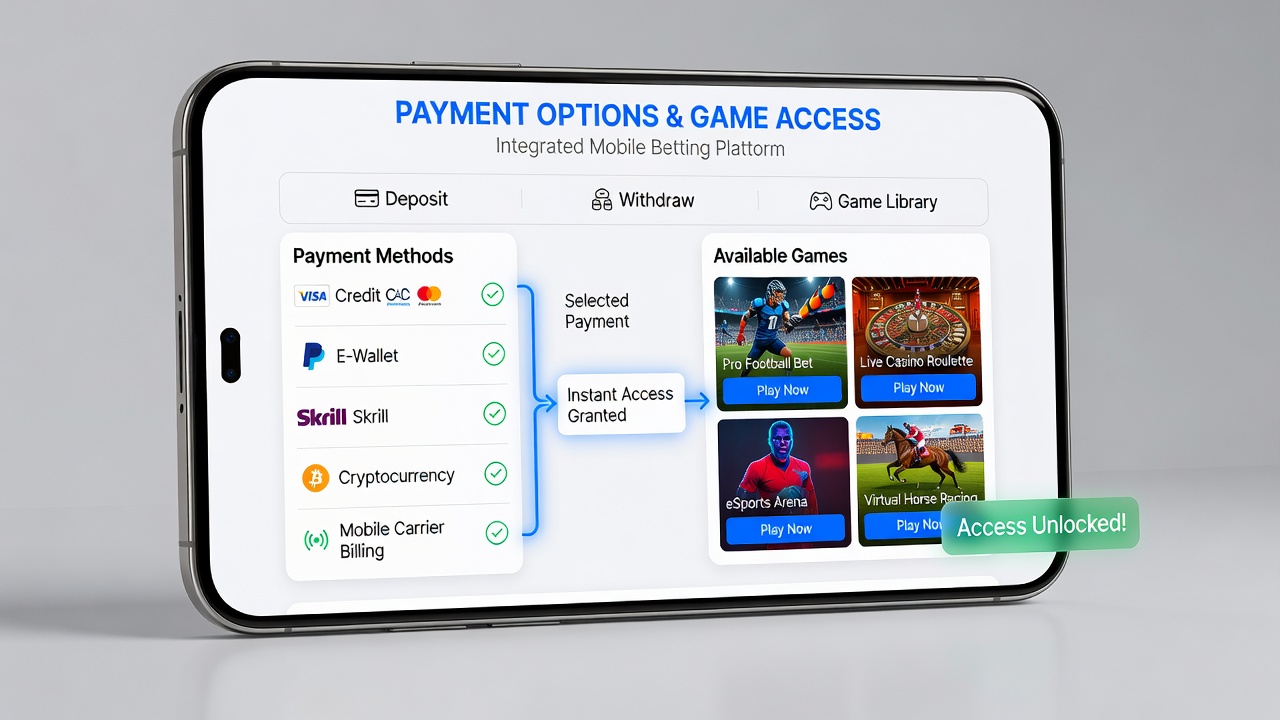
Traditional credit and debit cards remain the backbone for many platforms because they connect to established banking rails that most regions support, yet processing times range from seconds to several days depending on issuer verification rules. E-wallets such as those tied to major digital payment services reduce friction by storing funds separately and allowing one-tap transfers that platforms credit within moments, which in turn unlocks game lobbies without additional approval layers. Bank transfers, including instant variants in select markets, provide higher limits but often require users to navigate separate apps or portals before funds appear in the betting balance.
Cryptocurrency options have entered more integrated environments since early 2025, delivering near-instant settlement on supported networks while bypassing some local banking restrictions that otherwise block card or wire activity. Data from the European Gaming and Betting Association shows that platforms offering crypto alongside fiat methods record higher session initiation rates among users in jurisdictions with strict card rules. Those who study these patterns find that volatility in coin values rarely affects access itself because most systems convert at the moment of deposit.
Regional Availability Shapes Entry Points
Regulatory frameworks in different territories dictate which methods platforms can list, and this creates uneven access maps across mobile networks. In North American states where commercial gaming operates under strict oversight, card and ACH transfers dominate because they align with existing financial compliance layers, whereas parts of Asia and Latin America see heavier reliance on local e-wallets and prepaid vouchers that avoid cross-border hurdles. Australian operators, for instance, lean on POLi and similar instant bank systems that link directly to player accounts without card networks, according to figures from the Australian Gambling Research Centre.
October 2026 brought fresh licensing updates in several Canadian provinces that expanded approved payment rails, allowing more seamless integration between provincial wallets and private operator platforms. Users in those areas now move funds in under a minute through newly sanctioned channels, which shortens the gap between registration and first spin or hand.
Speed, Fees and Bonus Integration Effects
Deposit velocity determines whether players reach time-sensitive promotions or progressive jackpots before thresholds close, and platforms that advertise instant credit for certain methods attract repeat logins during peak windows. Fees attached to some cards or international wires reduce effective balances before gameplay begins, which observers note disproportionately affects smaller-stake users who rely on frequent top-ups. Integrated systems often offset these costs through targeted bonus matching tied to specific rails, such as zero-fee e-wallet deposits that carry extra free spins or table credits.
Those who've tracked player behavior across platforms report that loyalty programs accelerate when deposits clear quickly because tier progression metrics incorporate both volume and frequency of funded sessions. In contrast, slower methods like standard bank wires can delay bonus unlocks by 24 to 48 hours, effectively gating access to higher-limit tables or exclusive reel libraries until verification completes.
Security Layers and Their Influence on Continued Access
Two-factor authentication and device binding add steps that protect accounts yet sometimes interrupt the flow from payment to game launch, particularly on new devices or after software updates. Platforms mitigate this by storing verified payment profiles that allow subsequent deposits to bypass full re-verification, which keeps users inside the ecosystem longer. Research from academic groups examining mobile transaction logs indicates that friction introduced by extra security checks correlates with higher abandonment rates before gameplay starts, especially among first-time depositors.
Integrated environments increasingly embed payment gateways inside the same app shell as the game lobby, reducing the number of external redirects that once broke session continuity. This design choice has become standard on leading platforms by October 2026, where seamless handoffs between wallet balance checks and live dealer entry points appear routine.
Conclusion
Payment options function as gatekeepers that either facilitate or restrict entry to the full range of games within mobile betting platforms, with speed, cost and regulatory fit determining which users gain timely access. Operators continue to refine their supported rails to match shifting regional rules and user preferences, while data from multiple oversight bodies shows that diversified methods correlate with broader participation across different player segments. The interplay between these financial tools and game availability remains central to how integrated platforms operate in practice.