Decoding Volatility Patterns That Drive Custom Offer Adjustments Across Unified Wagering Interfaces
Drew Schmitz · Sep 23, 2026
Decoding Volatility Patterns That Drive Custom Offer Adjustments Across Unified Wagering Interfaces
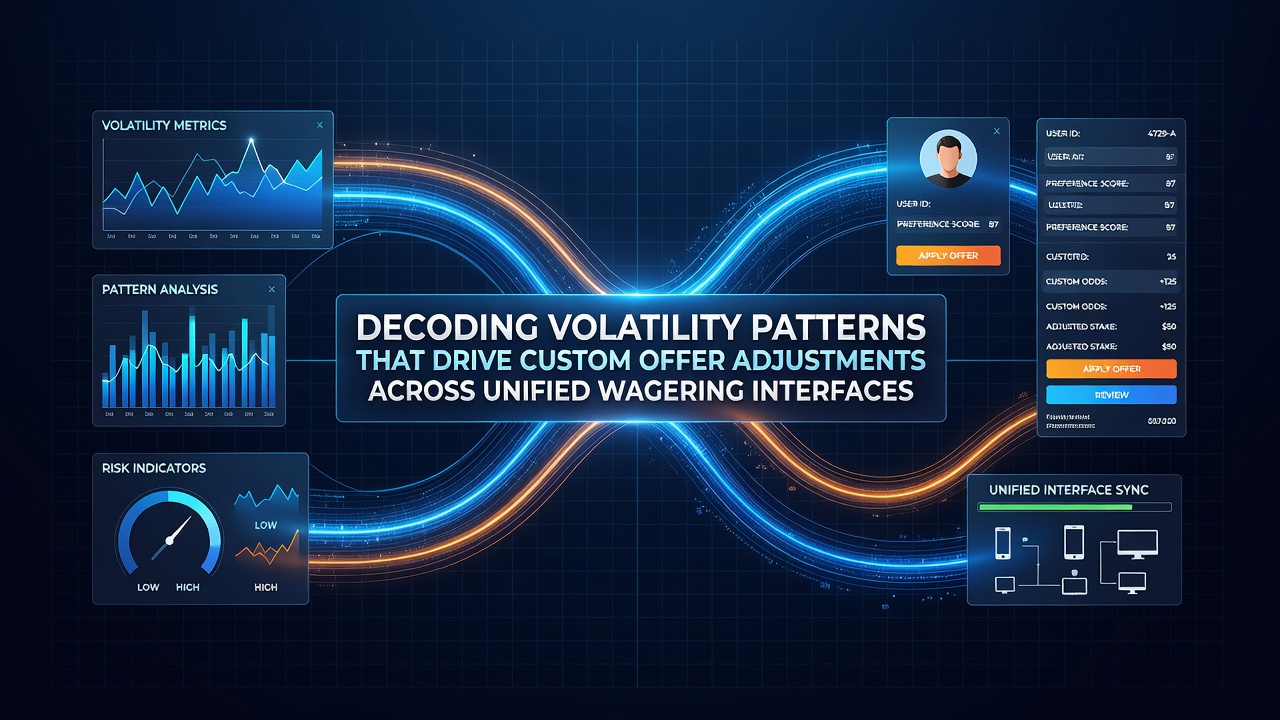
Volatility patterns in wagering systems emerge from the frequency and size of payouts across slots, table games, and sports markets, and these patterns prompt operators to recalibrate custom offers in unified interfaces that combine multiple betting formats. Researchers at institutions tracking global gaming data note that high-volatility games produce longer dry spells followed by larger wins, while low-volatility options deliver steadier but smaller returns, and platforms use these distinctions to tailor bonuses, free spins, and deposit matches automatically.
Core Mechanics of Volatility in Modern Wagering
Unified wagering interfaces aggregate data from reel games, card tables, and sportsbooks into single dashboards, allowing algorithms to monitor volatility indexes that measure payout dispersion over thousands of sessions. Data from regulatory filings shows that operators adjust offer values when a player's recent activity clusters around high-volatility titles, since such patterns often signal either extended loss streaks or sudden large wins that affect retention metrics. Observers note that September 2026 brought increased scrutiny from oversight bodies in multiple jurisdictions as platforms refined these models to comply with responsible gaming standards while maintaining competitive edges.
Take one analyst who examined transaction logs from major networks and found that volatility spikes above a defined threshold triggered immediate reductions in bonus percentages for high-risk segments, whereas steadier play patterns unlocked progressive multipliers. These adjustments occur through rule-based engines that pull real-time feeds from game servers and betting exchanges, creating offers that shift hourly rather than weekly.
Data Integration Across Platforms
Platforms link volatility metrics to player tier levels and deposit histories, producing offers that reflect both individual risk tolerance and aggregate market trends. Figures from industry reports indicate that sessions dominated by high-volatility content correlate with 18 to 25 percent higher custom free-play allocations in the following week, provided overall account balances remain stable. Experts tracking these systems highlight how unified interfaces pull information from disparate sources, including live dealer streams and sports odds feeds, to build composite volatility scores that drive personalized adjustments.
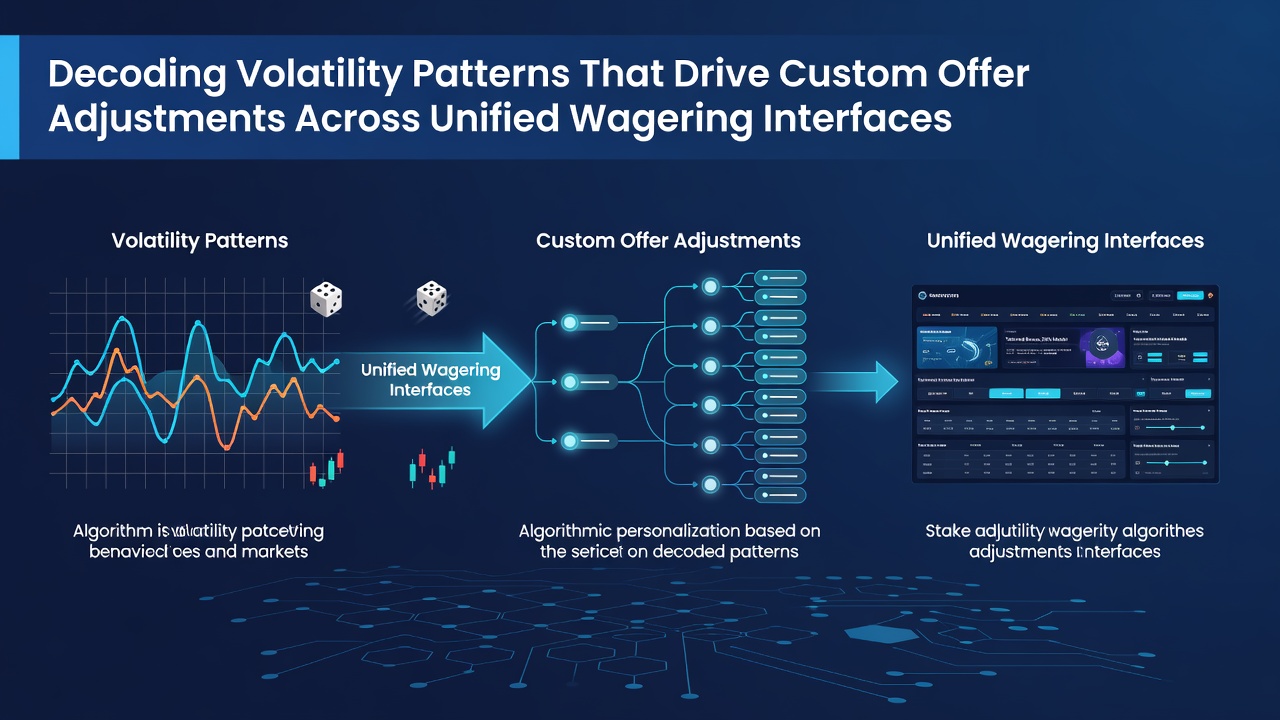
One study released by the Australian Gambling Research Centre in mid-2026 documented similar patterns in cross-format environments, where sports bettors who occasionally switched to high-volatility slots received targeted cashback offers calibrated to their recent variance levels. The same report noted that low-volatility card game enthusiasts saw loyalty points accelerate faster when their activity stayed within predictable ranges, illustrating how the system balances encouragement with risk management.
Algorithmic Adjustments and Player Segmentation
Segmentation models divide users into cohorts based on volatility exposure, and these cohorts determine which offers appear in the unified interface at login. Operators draw from historical datasets that span multiple years to set baseline parameters, then apply machine-learning overlays that update when new volatility readings arrive from ongoing play. According to records maintained by the Nevada Gaming Control Board, several licensed entities reported implementing these dynamic systems by September 2026, resulting in measurable shifts in average offer redemption rates across different game categories.
What's interesting is how external events influence the underlying patterns, since major sports tournaments or slot releases can temporarily elevate volatility across entire player bases, prompting platforms to widen or narrow offer parameters accordingly. People who monitor these changes point out that the adjustments remain invisible to users yet produce consistent differences in the types of promotions displayed, such as boosted odds on sports versus additional spins on reels.
Regulatory and Technical Considerations
Regulatory frameworks in various regions require transparency around how volatility data feeds into offer generation, and compliance teams review logs to confirm that adjustments do not disproportionately target vulnerable segments. Technical teams maintain audit trails that capture every change to offer parameters, linking each modification back to specific volatility readings and player actions. These records help demonstrate that the system operates within established guidelines while supporting business objectives across unified interfaces.
Additional examples include European operators that integrated volatility signals with responsible gaming tools, automatically scaling down aggressive offers when patterns indicated prolonged high-risk exposure. Similar approaches appear in North American markets where state-level reporting now includes summaries of how volatility-driven customizations affect overall player activity metrics.
Conclusion
Volatility patterns continue to shape the custom offers that appear within unified wagering interfaces through ongoing data analysis and algorithmic refinement. Operators rely on these mechanisms to align promotions with observed player behavior while meeting regulatory expectations, and the process evolves as new game types and market conditions introduce fresh variance profiles. Continued monitoring by oversight bodies and research organizations provides the foundation for understanding how these adjustments function across different regions and platforms.